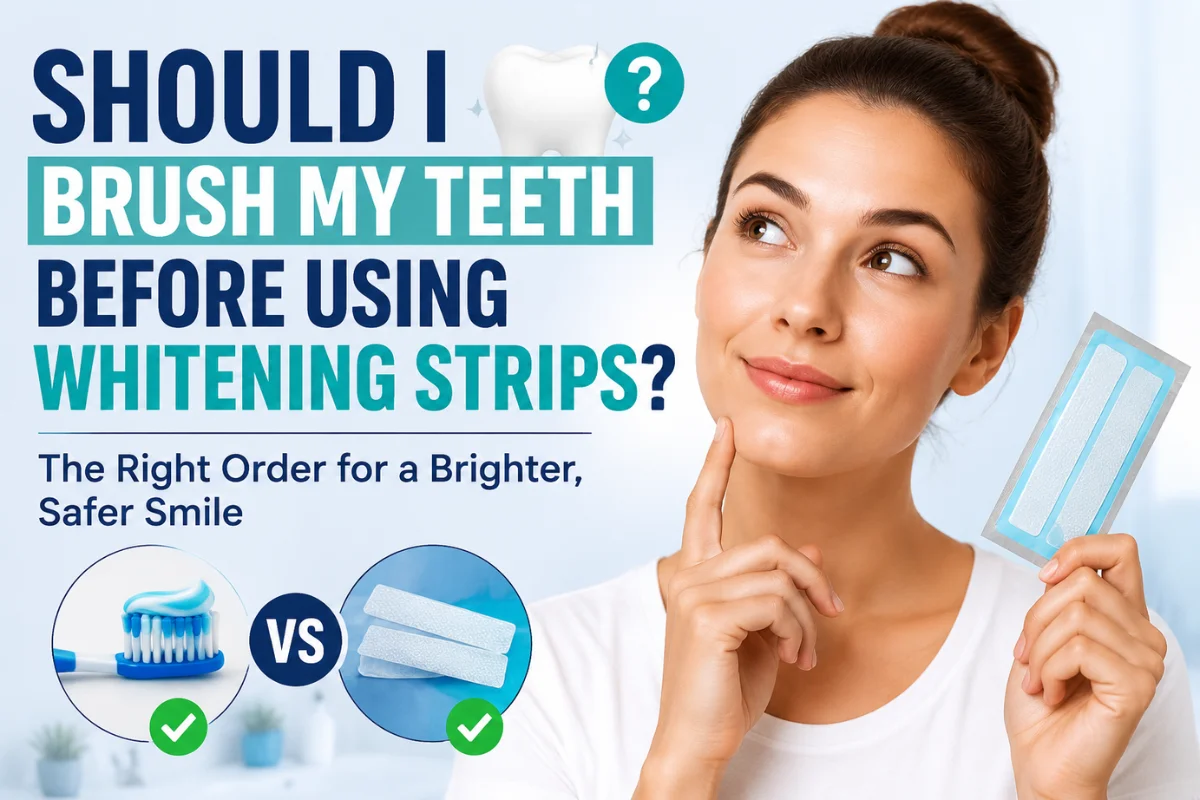
If you have ever stood in front of your bathroom mirror, clutching a box of peroxide-infused film and wondering about the exact sequence of your dental hygiene routine, you are not alone. The question “Should I brush my teeth before using whitening strips?” is one of the most common queries I encounter from people looking to brighten their smile without making a trip to the dentist’s chair. It seems like a simple enough order of operations, but the answer is actually layered with nuances involving enamel health, chemical absorption, and the dreaded “zingers”—those sharp flashes of tooth sensitivity.
I have spent years researching dental aesthetics and practicing meticulous oral care, and I can tell you that the timing of your brush-and-strip routine can be the difference between a radiant glow and a week of painful sensitivity. Let’s break down the science, the myths, and the best practices to ensure you get the most out of your whitening investment.
The Short Answer: Timing is Everything
When people ask me, “Should I brush my teeth before using whitening strips?” I usually give them a “yes, but” answer. You absolutely want your teeth to be clean before applying the chemical agent, but you do not want to apply the strips immediately after a vigorous scrubbing session.
The goal is to remove plaque and food debris so the whitening gel can make direct contact with your enamel. However, brushing—especially with a fluoride toothpaste—creates a barrier and can irritate the gums. If you brush and then immediately slap on a strip, you are essentially trapping chemicals against freshly abraded gum tissue and opened pores in your teeth.
Why You Need a Clean Surface
Think of your teeth like a piece of wood you are about to paint. If the wood is covered in dust and grime, the paint won’t stick, and the finish will be splotchy. Your teeth are the same way. Throughout the day, a thin film called “pellicle” forms over your enamel, along with plaque and remnants of whatever you last ate.
The Problem with Plaque
Plaque is a sticky biofilm. If you apply a whitening strip over plaque, the peroxide has to fight through that layer of bacteria before it ever touches your tooth. This leads to uneven whitening. You might take the strips off only to find that some areas are pearly white while others remain dull because they were shielded by a layer of film.
Removing “The Barrier”
When you brush, you clear the way. By removing the pellicle and food particles, you ensure the hydrogen peroxide or carbamide peroxide in the strips can penetrate the enamel evenly. This leads to a more consistent result across the entire surface of the tooth.
The Danger of Brushing Immediately Before Whitening
While cleanliness is vital, the “immediate” part of the equation is where most people go wrong. If you brush your teeth and then immediately apply the strips, you are inviting discomfort.
Gum Irritation
Brushing is a mechanical process. Even with a soft-bristled brush, you are creating microscopic abrasions on your gingival tissue (your gums). Whitening strips contain bleaching agents that are inherently acidic and irritating. If those chemicals seep into the micro-cuts on your gums caused by brushing, it will burn.
Tooth Sensitivity (The Zingers)
Your teeth have tiny pores called dentinal tubules. Brushing, especially with certain types of toothpaste, can temporarily open these pores or remove the protective layer of saliva. When you follow this up with a concentrated whitening gel, the chemicals travel deeper into the tooth much faster, hitting the nerve and causing that sharp, electric shock sensation known as a “zinger.”
The Ideal Routine: The 30-Minute Rule
Based on dental recommendations and my own experience, the best way to handle this is to brush your teeth at least 30 to 60 minutes before you plan to use the whitening strips.
-
Brush with water or a mild toothpaste: Avoid anything too abrasive or a heavy “whitening” toothpaste right before the strips, as these can be double-taxing on your enamel.
-
Wait: Give your mouth time to recover. This allows your saliva to naturally remineralize the surface of your teeth slightly and creates a natural buffer for your gums.
-
Dry your teeth: Before applying the strip, wipe your teeth with a clean tissue. Strips adhere much better to dry surfaces than wet ones.
-
Apply and Wait: Follow the package instructions for the duration.
-
Rinse and Soothe: After removing the strips, rinse with water. Avoid brushing again immediately if your teeth feel sensitive.
Comparing Pre-Whitening Methods
What About Brushing After Whitening?
Once you peel those strips off, your first instinct might be to brush away the slimy residue left behind. While you want that gel off your teeth, you should be gentle. The bleaching process temporarily makes your enamel more porous and slightly more susceptible to abrasion.
I recommend rinsing thoroughly with water or a fluoride mouthwash. If you must brush, use a very soft brush and avoid abrasive pastes for at least an hour. This gives your enamel time to “harden” back up as it interacts with your saliva.
The Role of Saliva
Saliva is your mouth’s best friend. It contains calcium and phosphate, which help rebuild the minerals that whitening agents might temporarily disturb. Letting your saliva do its job for an hour after whitening is a pro tip that many people overlook.
Ingredients to Watch Out For
When you are deep-diving into the world of teeth whitening, you will see a lot of talk about different active ingredients. Most over-the-counter strips use Hydrogen Peroxide. It’s effective, fast-acting, and relatively safe when used as directed.
However, if you have naturally sensitive teeth, you might look for strips containing Carbamide Peroxide. It breaks down more slowly and is often easier on the nerves. Regardless of the ingredient, the rule remains: don’t brush right before application.
Understanding the Science of Enamel and Bleach
To truly understand why the question “Should I brush my teeth before using whitening strips?” matters, we have to look at the anatomy of a tooth. Your enamel is the hardest substance in the human body, but it isn’t solid like a rock; it’s more like a dense forest of mineral rods.
When you apply a whitening strip, the peroxide penetrates these rods to reach the dentin, which is the layer underneath that actually holds most of the tooth’s color. Stains from coffee, wine, and aging live in these layers. The chemical reaction oxidizes these stains, breaking up the carbon chains that hold the color.
If your teeth are “clogged” with plaque, the peroxide molecules get trapped at the surface. If your teeth are “raw” from recent brushing, the peroxide moves too fast. Balance is key to achieving that Hollywood smile without the Hollywood-sized dental bill.
Common Mistakes to Avoid
-
Using Whitening Toothpaste Before Strips: Whitening toothpastes often contain silica or other abrasives to scrub away surface stains. Using this right before a chemical treatment is overkill and almost guarantees sensitivity.
-
Over-wearing the Strips: More time does not equal more white. It only equals more damage to your enamel and more pain.
-
Ignoring the Gums: When applying the strips, try to align them with the edge of your teeth, avoiding the gum line as much as possible. If the strip is too wide, fold it over or trim it.
-
Drinking Dark Liquids After: Your teeth are extra “thirsty” for stains right after whitening because the pores are open. Avoid coffee, tea, or red wine for at least 24 hours.
Expert Recommendations and Citations
According to the American Dental Association (ADA), tooth whitening is generally safe, but they emphasize that “whitening may cause a temporary increase in tooth sensitivity and may cause gingival (gum) irritation.” Clinical studies published in the Journal of Evidence-Based Dental Practice suggest that while pre-cleaning the teeth is necessary for agent penetration, the mechanical irritation of brushing can exacerbate the side effects of peroxide-based gels.
For those with chronic sensitivity, I often suggest using a desensitizing toothpaste containing potassium nitrate for two weeks before starting any whitening regimen. This helps “plug” the tubules and reduces the nerve’s reaction to the bleach.
Final Thoughts
The journey to a brighter smile is a marathon, not a sprint. If you are asking, “Should I brush my teeth before using whitening strips?”, you are already ahead of the curve by being cautious. Remember: brush about an hour beforehand, dry your teeth, apply carefully, and avoid the temptation to scrub your teeth immediately after.
Consistency is more important than intensity. You will get much better, more sustainable results by following the rules and respecting your mouth’s natural biology than by trying to rush the process.
If you have tried everything and still experience pain, it might be time to talk to your dentist about professional options or custom-fitted trays, which can protect your gums better than generic strips.
Frequently Asked Questions
1. Can I use mouthwash before putting on whitening strips?
You can, but avoid alcohol-based mouthwashes as they dry out the tissues and can increase irritation; a fluoride-based, alcohol-free rinse is a better choice if you wait 30 minutes before stripping.
2. Is it okay to whiten my teeth every day?
You should only whiten as often as the specific product instructions advise, usually once a day for a set period, to avoid thinning your enamel.
3. What should I do if my gums turn white after using a strip?
This is a minor chemical burn from the peroxide; it is usually temporary and will fade within a few hours, but you should skip a day of whitening to let them heal.
4. Does drinking through a straw help maintain whitened teeth?
Yes, using a straw bypasses the front of your teeth, reducing the contact that staining liquids like coffee or soda have with your freshly whitened enamel.
5. Why are my teeth not whitening evenly?
Uneven results usually happen because of plaque buildup or because the strip didn’t make full contact with the recessed areas of your teeth; ensure you brush (an hour before!) and press the strips firmly into the crevices.
You May Also Read: How to Speed Up Wisdom Teeth Recovery?

Dr. Sarah Mitchell is a licensed dentist with over 9 years of clinical experience in preventive and restorative oral care. She specializes in gum health, cavity prevention, and natural hygiene solutions. At hwellhealthorganic1.com, she makes advanced dental science simple and actionable for everyday wellness.