
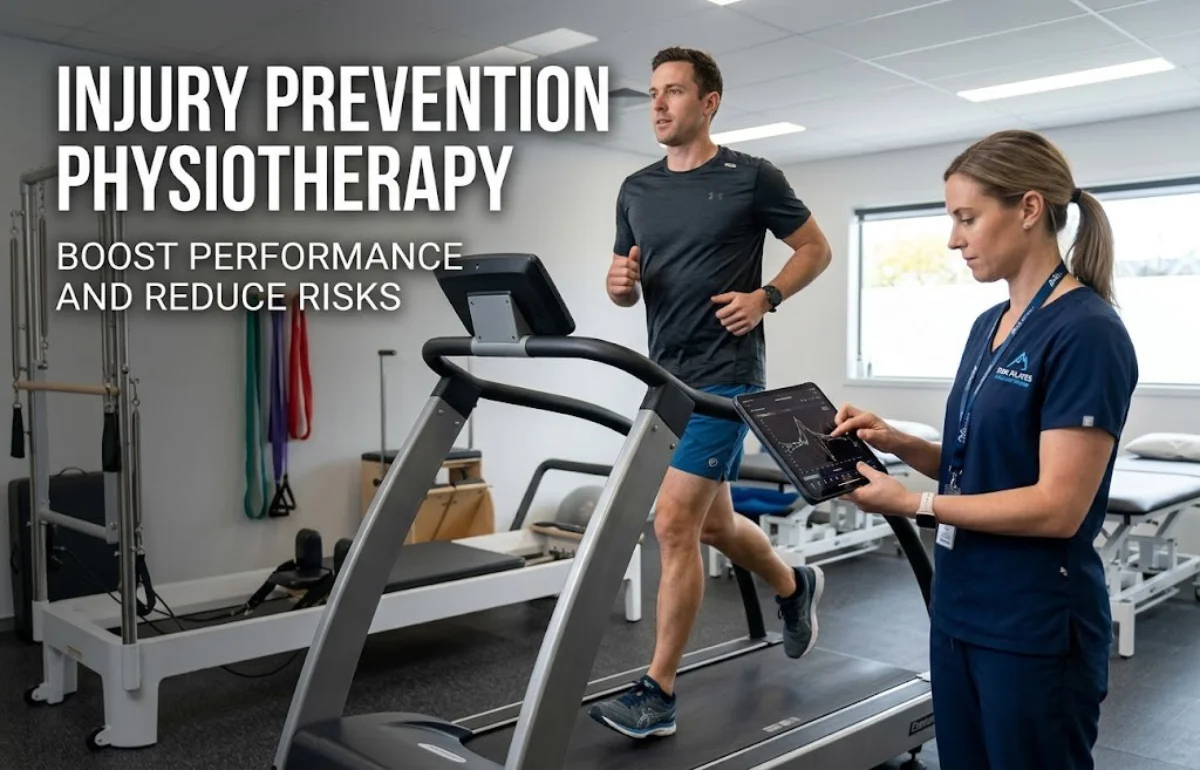
Physiotherapy is often thought of as something people turn to only after an injury has already occurred, but there is a growing body of interest in using physiotherapy proactively, as a way to reduce the likelihood of injury in the first place. For anyone active in sport, exercise or physically demanding work, understanding how a preventative approach to physiotherapy works may offer a useful complement to existing training or recovery routines.
Why Prevention Is Getting More Attention
Traditionally, physiotherapy services have been most closely associated with rehabilitation, helping people recover movement and strength after surgery, injury or illness. In recent years, however, more people are seeking out physiotherapy assessments before an injury occurs, aiming to identify movement patterns, muscle imbalances or areas of weakness that could otherwise increase the risk of future problems. This shift reflects a broader interest in proactive rather than purely reactive approaches to physical health.
What a Preventative Assessment Might Involve
A preventative physiotherapy assessment generally looks at how a person moves, rather than focusing on a single area of pain or discomfort. This can include analysing posture, joint mobility, muscle strength and movement patterns during activities relevant to a person’s sport, work or daily routine. Working with a physio in Auckland for this kind of assessment can help identify areas that may benefit from targeted strengthening or mobility work before they develop into a more significant issue.
Common Movement Imbalances
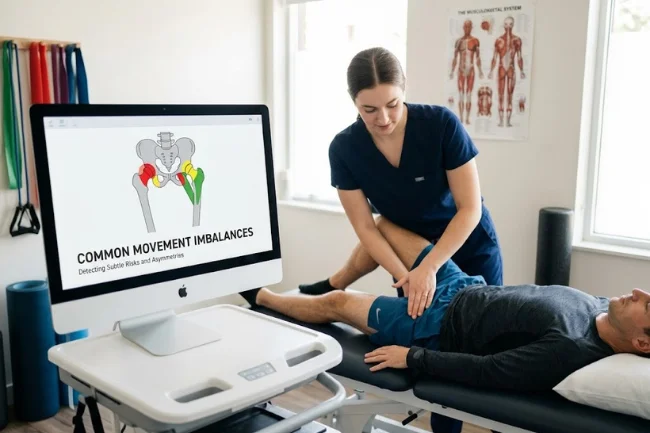
Many injuries develop gradually, as a result of small movement imbalances that build over time rather than a single traumatic event. Weakness on one side of the body, restricted mobility in a particular joint, or compensation patterns that develop after a previous minor injury can all contribute to a higher injury risk if left unaddressed. A physiotherapist trained in movement assessment can often identify these patterns before they become symptomatic, allowing for earlier intervention.
Sport-Specific Considerations
Different sports and physical activities place different demands on the body, which means injury prevention strategies are rarely one-size-fits-all. A runner may benefit from a different assessment and exercise programme than someone who plays a contact sport or spends long hours at a desk. Tailoring preventative physiotherapy to the specific demands of a person’s activity generally produces more relevant and useful recommendations than a generic approach.
The Role of Strength and Conditioning
Alongside assessment, many preventative physiotherapy programmes incorporate targeted strength and conditioning work designed to address identified weaknesses or imbalances. This might include specific exercises for stability, mobility work for restricted joints, or a broader conditioning programme aimed at improving overall resilience. Consistency with these exercises, rather than a single session, tends to be what produces meaningful change over time.
Returning to Activity After a Previous Injury
For people who have experienced a previous injury, physiotherapy can also play a role in reducing the risk of re-injury once they return to their sport or activity. A structured return-to-activity programme, guided by a physiotherapist, can help ensure that strength and mobility have genuinely been restored, rather than assuming time alone has resolved any underlying issues left over from the original injury.
Workplace and Everyday Movement
Injury prevention through physiotherapy is not limited to sport. People in physically demanding jobs, or those who spend long hours in repetitive postures such as sitting at a desk, can also benefit from a movement assessment aimed at identifying risk factors relevant to their daily activities. Simple adjustments to posture, ergonomics or movement habits, guided by professional assessment, can sometimes make a meaningful difference over the course of a working life.
When to Consider a Preventative Assessment
There is no single right time to seek a preventative physiotherapy assessment, though people returning to sport after a break, starting a new physical activity, or noticing recurring minor discomfort may find particular value in an early assessment. Rather than waiting for pain to become significant, addressing movement concerns proactively can potentially reduce both the likelihood and severity of future injuries.
Building a Long-Term Approach to Movement Health
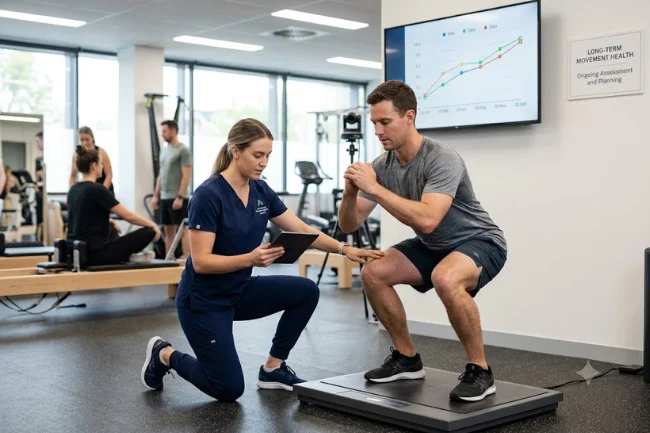
Preventative physiotherapy works best as part of an ongoing approach to movement health, rather than a single one-off assessment. Regular check-ins, particularly for those involved in demanding sport or physical work, can help track changes over time and adjust exercise recommendations as circumstances shift, whether due to changes in training load, life stage or previous injury history.
Combining Physiotherapy With Other Forms of Training
Preventative physiotherapy often works well alongside other forms of training, such as strength conditioning, Pilates or sport-specific coaching, rather than functioning as a completely separate practice. Many physiotherapists collaborate with coaches or trainers to ensure exercise recommendations complement, rather than conflict with, a person’s broader training programme, creating a more integrated approach to movement health overall.
Listening to Early Warning Signs
Minor aches, stiffness or a subtle change in movement quality are sometimes dismissed as unimportant, particularly by people who are used to pushing through discomfort during training. However, these small signals can occasionally be early indicators of a developing imbalance or overuse pattern. Paying attention to these changes, rather than waiting for them to escalate into a more significant injury, is often one of the more practical aspects of a preventative approach to physical health.
Taking a Proactive Step
Approaching physical health with prevention in mind offers a different perspective to the more traditional reactive model of seeking help only after an injury occurs. For those keen to stay active and reduce their risk of future setbacks, a preventative physiotherapy assessment may be a worthwhile step toward building longer-term movement resilience. Peak Pilates also offer a wide range of Reformer Pilates in Auckland to help you reach your peak performance.
Editorial contribution by Elliott SEO Agency Auckland

Michael Reynolds is a certified personal trainer (NASM-CPT) and mental wellbeing coach with over 8 years of experience in fitness and stress management. He writes for Well Health Organic, sharing functional fitness workouts, movement plans, and mindset tips. Michael believes physical strength and mental peace go hand in hand. His evidence-based approach helps beginners and intermediate learners build sustainable, healthy habits.