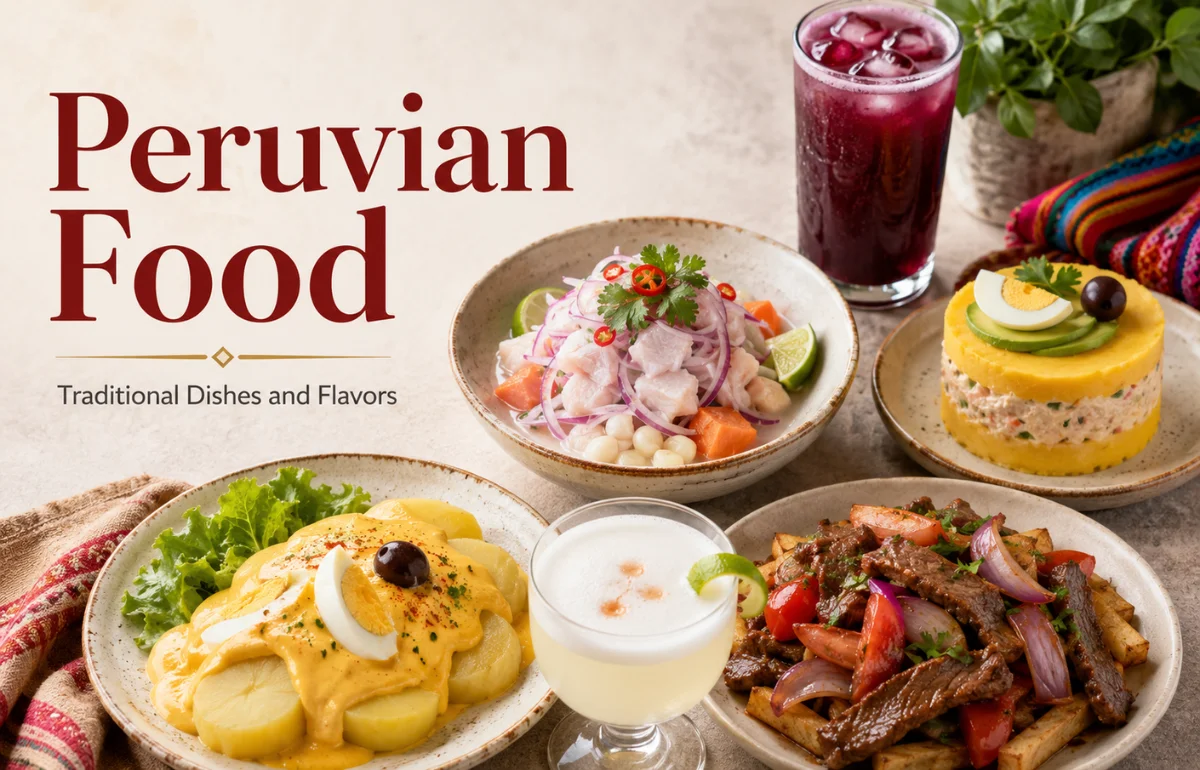
Peruvian food is the traditional and modern cuisine of Peru, built from Indigenous Andean ingredients, Pacific seafood, Amazonian produce, Spanish colonial cooking, African influence, and Asian immigration. In simple words, it is one of the world’s richest fusion cuisines because it combines potatoes, corn, quinoa, chilies, fresh fish, rice, meat, herbs, and bold sauces in dishes that feel both ancient and modern.
When I explain Peruvian cuisine to someone for the first time, I usually say this: it is not just “spicy food” or “seafood.” It is a food culture shaped by geography. The coast, mountains, and rainforest all cook differently, yet they still feel connected through ingredients like ají peppers, lime, potatoes, corn, rice, and fresh herbs.
Why Peruvian Food Is So Unique
Peru has a rare food advantage: it has the Pacific coast, the Andes mountains, and the Amazon rainforest inside one country. That means the national kitchen has access to seafood, high-altitude tubers, tropical fruits, grains, herbs, and game meats.
This variety explains why one Peruvian meal might be bright and citrusy, while another feels warm, creamy, and comforting.
The other reason is cultural layering. Indigenous communities built the foundation with potatoes, corn, quinoa, beans, chilies, and local preservation methods. Spanish colonization added onions, garlic, wheat, dairy, beef, pork, and frying techniques.
Later, African, Chinese, Japanese, Italian, and other immigrant communities changed the flavor of Peruvian kitchens even more. That is why you can find stir-fried beef with French fries, raw fish dishes with Japanese influence, rice-based meals, roasted chicken shops, and slow-cooked stews all under the same national cuisine.
The Main Ingredients That Define Peruvian Cooking
If you want to understand Peruvian cooking, start with the ingredients, not the restaurant menu.
Potatoes are a major part of the food identity. Peru is famous for its huge variety of native potatoes, and they appear in cold starters, soups, stews, and side dishes.
Corn is also central. You will see large-kernel corn served with ceviche, purple corn used for chicha morada, and corn-based preparations in traditional homes and markets.
Ají peppers give Peruvian dishes their personality. Ají amarillo, rocoto, ají panca, and other chilies add color, heat, sweetness, and depth. Not every dish is extremely spicy, but many have a gentle kick or a pepper-based sauce.
Seafood is essential on the coast, especially in Lima and northern Peru. In the Andes, you see more potatoes, corn, quinoa, soups, alpaca, trout, and cuy. In the Amazon, food becomes more tropical, with freshwater fish, plantains, yuca, cocona, camu camu, and jungle herbs.
Common Peruvian Ingredients and How They Are Used
Traditional Peruvian Food You Should Know
Ceviche
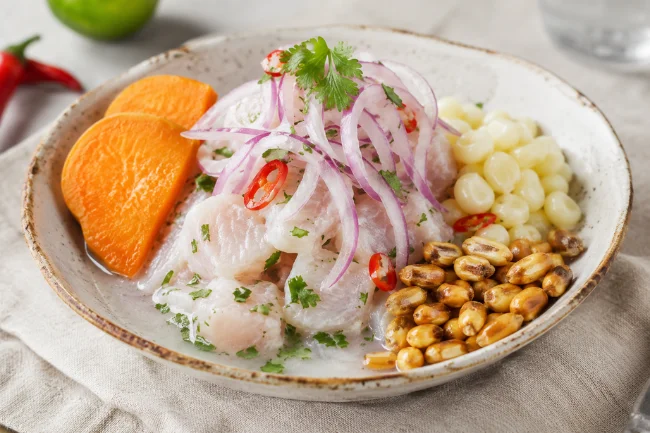
Ceviche is probably the most famous Peruvian dish. It is usually made with fresh raw fish marinated in lime juice, salt, onion, chili, and cilantro. It is often served with sweet potato, corn, or cancha, which is toasted corn.
The best ceviche tastes clean, cold, sharp, and fresh. It should never feel heavy. For safety and flavor, it is usually better eaten earlier in the day, especially in coastal cities where seafood is handled fresh.
Lomo Saltado
Lomo saltado is one of the clearest examples of Chinese-Peruvian influence. It is a stir-fry made with beef, onions, tomatoes, soy sauce, vinegar, and French fries, usually served with rice.
At first, rice and fries on the same plate may sound too heavy. But the mix works because the sauce ties everything together. It is savory, smoky, salty, and slightly tangy.
Ají de Gallina
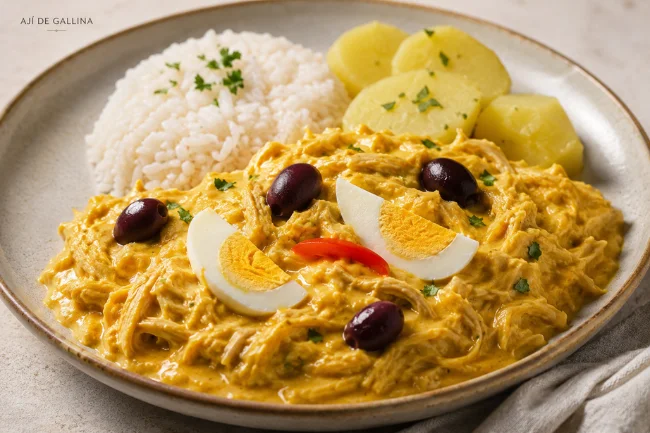
Ají de gallina is a creamy shredded chicken dish made with ají amarillo, bread, milk, cheese, nuts, and spices. It is usually served with rice, boiled potatoes, olives, and egg.
This is the dish I would suggest to someone who wants comfort food rather than seafood. It is soft, rich, warm, and satisfying without being aggressive.
Causa Rellena
Causa rellena is a layered cold potato dish. The potato is mashed with lime and ají amarillo, then filled with chicken, tuna, avocado, mayonnaise, or vegetables.
It is one of the best examples of how Peruvian cooks turn potatoes into something elegant. The texture is smooth, the flavor is bright, and the presentation can be very colorful.
Papa a la Huancaína
Papa a la huancaína is made with boiled potatoes covered in a creamy yellow sauce made from ají amarillo, cheese, milk, and crackers or bread. It is often served with lettuce, egg, and olives.
This is a simple dish, but the sauce is the star. If you are new to Peruvian flavors, huancaína sauce is one of the easiest ways to understand the role of ají amarillo.
Anticuchos
Anticuchos are grilled skewers, traditionally made with beef heart. They are marinated with vinegar, garlic, cumin, and ají panca, then cooked over fire.
The idea may sound intimidating, but the flavor is smoky, tender, and deeply savory. For many travelers, anticuchos are one of the best street food experiences in Peru.
Pollo a la Brasa
Pollo a la brasa is Peruvian roasted chicken, usually cooked with spices and served with fries, salad, and green ají sauce. It is popular because it is casual, affordable, and easy to love.
This is the kind of dish families eat together. It may not sound as unusual as ceviche or cuy, but it is one of the everyday meals that shows how Peruvians actually eat.
Rocoto Relleno
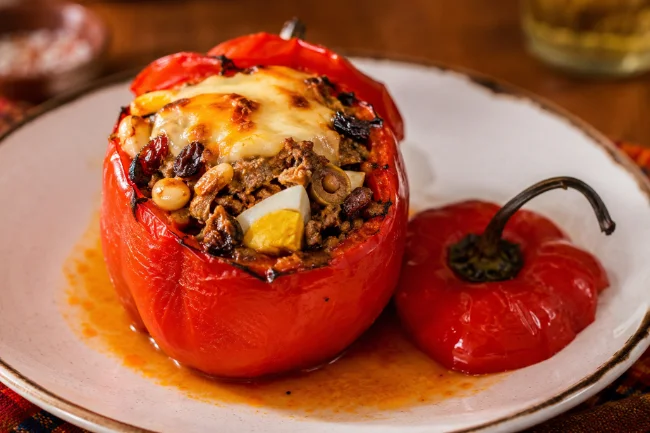
Rocoto relleno comes from Arequipa and is made with a spicy rocoto pepper stuffed with seasoned meat, onions, peanuts, raisins, olives, and sometimes egg. It is usually baked with cheese.
Rocoto looks like a small red bell pepper, but it is much hotter. This dish is rich, spicy, and bold, so it is better for people who enjoy heat.
Cuy
Cuy, or guinea pig, is a traditional Andean food. Outsiders sometimes treat it as shock food, but that misses the point. In the Andes, cuy has cultural and historical value.
It is often roasted or fried and served with potatoes, corn, and sauce. The flavor is closer to dark poultry or rabbit than beef or pork.
Regional Styles of Peruvian Cuisine
One mistake many articles make is treating Peru as one single flavor. That is lazy. Peruvian cuisine changes depending on where you are.
Coast
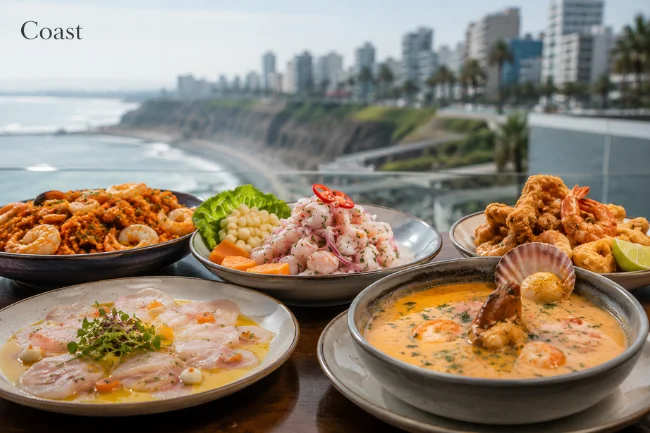
The coast is known for seafood, ceviche, tiradito, arroz con mariscos, jalea, and chupe de camarones. Lima, in particular, is a major food capital because it brings regional and international influences into one city.
Andes
The Andes are more about potatoes, corn, quinoa, soups, stews, alpaca, trout, cuy, and warming dishes. Food here often feels practical and nourishing because it was developed in a high-altitude environment.
Amazon
Amazonian food uses freshwater fish, yuca, plantains, rice, tropical fruits, and jungle herbs. Dishes such as juane show how rice, meat, egg, olives, and spices can be wrapped and cooked in leaves for portability and flavor.
Peruvian Food by Region
Chifa and Nikkei: Peru’s Asian Food Influence
Two words matter here: chifa and Nikkei.
Chifa is Chinese-Peruvian food. It came from Chinese immigration and became so deeply rooted that many Peruvians see it as part of everyday national eating. Dishes like arroz chaufa, tallarín saltado, and lomo saltado show how wok cooking, soy sauce, rice, and Peruvian ingredients blend naturally.
Nikkei is Japanese-Peruvian cuisine. It is closely connected to seafood, precision, freshness, and dishes like tiradito. Nikkei food is now one of the reasons Lima has become internationally respected as a fine-dining city.
What makes both styles powerful is that they are not random “fusion.” They came from real communities, adapting their food to local ingredients over generations.
Is Peruvian Food Healthy?
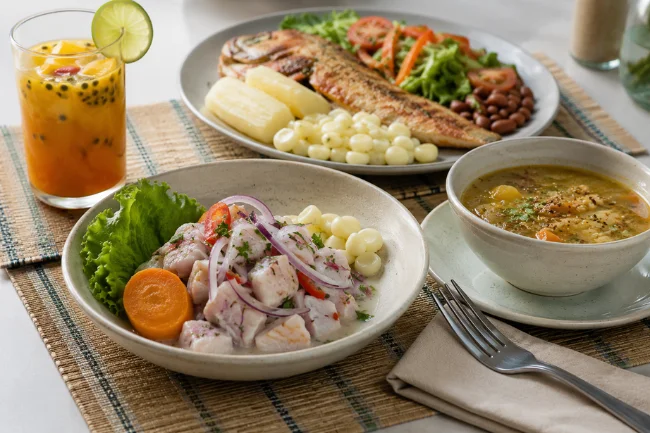
Peruvian food can be very healthy, but it depends on what you choose. Ceviche, quinoa soups, grilled fish, vegetable-based stews, beans, corn, yuca, and fresh fruit drinks can fit well into a balanced diet.
At the same time, some dishes are heavy in rice, fries, cream sauces, fried meats, or large portions. Lomo saltado, pollo a la brasa, and ají de gallina can be satisfying, but portion size matters.
If you are trying to build better eating habits while still enjoying global cuisines, Well Health Organic’s wellness support services can help you connect food choices with your wider health goals.
The smarter approach is not to label the whole cuisine as healthy or unhealthy. Look at the cooking method, portion size, sauce, and balance of protein, starch, vegetables, and fat.
Health-Friendly Choices vs Heavier Choices
Peruvian Desserts and Drinks
Peru’s sweet side deserves more attention. Mazamorra morada is a purple corn pudding flavored with fruit and spices. Arroz con leche is rice pudding, often served with cinnamon. Suspiro a la limeña is a rich dessert made with milk caramel and meringue.
For drinks, chicha morada is one of the most famous non-alcoholic options. It is made from purple corn, fruit, cinnamon, and cloves. The flavor is sweet, spiced, and refreshing.
Pisco sour is the classic cocktail, made with pisco, lime juice, syrup, egg white, and bitters. It is sharp, smooth, and aromatic when made correctly.
There is also emoliente, a warm herbal drink often sold by street vendors, and many fruit juices made with lúcuma, maracuyá, camu camu, or other native fruits.
What to Eat First If You Are New to Peruvian Cuisine
If you are trying Peruvian food for the first time, do not start with the most unfamiliar dish just to prove a point. Start with balance.
Begin with ceviche if you like seafood. Try lomo saltado if you want something familiar but still clearly Peruvian. Choose ají de gallina if you prefer creamy comfort food. Order papa a la huancaína or causa if you want to understand Peru’s potato culture.
Then move toward anticuchos, rocoto relleno, cuy, Amazonian dishes, or regional stews.
My practical advice is to order one bright dish, one hearty dish, and one sauce-heavy dish. That gives you a better picture of the cuisine than ordering three fried items or three seafood plates.
Common Mistakes People Make About Peruvian Food
The first mistake is thinking Peruvian food is just ceviche. Ceviche matters, but it is only one doorway into the cuisine.
The second mistake is assuming everything is spicy. Some dishes are spicy, especially those using rocoto or strong ají sauces, but many are mild, creamy, smoky, sour, or herbal.
The third mistake is ignoring regional food. Eating only in tourist restaurants in Lima or Cusco gives you a narrow view. Markets, local lunch spots, picanterías, chifa restaurants, and seafood counters often teach you more.
The fourth mistake is treating Indigenous ingredients as trends. Quinoa, potatoes, corn, and native chilies are not modern wellness inventions. They are old, practical, culturally rooted foods that became globally famous much later.
Why Peruvian Cuisine Matters Today
Peruvian cuisine matters because it shows how food can carry history without becoming frozen in the past. It respects Indigenous ingredients, absorbs outside influence, and keeps changing without losing its identity.
That is rare.
Many cuisines are either traditional or modern. Peru manages to be both. A plate of ceviche can feel ancient and fresh at the same time. A dish like lomo saltado tells a migration story. A bowl of quinoa soup connects nutrition with mountain life. A glass of chicha morada turns native corn into something everyday and memorable.
For readers who care about food, culture, and wellness, Peru offers more than recipes. It offers a model of eating that is regional, seasonal, colorful, and deeply connected to place.
Final Thoughts
Peruvian food is one of the most exciting cuisines to explore because it is diverse without being confusing. It has seafood, stews, street food, comforting rice dishes, native grains, bold sauces, tropical fruits, and a long history of cultural exchange.
If you are new to it, start with ceviche, lomo saltado, ají de gallina, causa, papa a la huancaína, pollo a la brasa, and chicha morada. Then explore regional dishes from Arequipa, Cusco, northern Peru, and the Amazon.
Your next step is simple: choose one traditional Peruvian dish, learn what region it comes from, and try it with the right sauce or side. That is how this cuisine starts making sense, plate by plate.
FAQs About Peruvian Food
What is Peruvian food known for?
Peruvian food is known for ceviche, potatoes, corn, ají peppers, seafood, quinoa, fusion dishes, and a strong regional variety.
Is Peruvian food spicy?
Some Peruvian dishes are spicy, especially those with rocoto or ají sauces, but many are mild, creamy, citrusy, smoky, or savory.
What is the most famous food in Peru?
Ceviche is usually considered the most famous Peruvian dish, especially along the coast and in Lima.
What should I order at a Peruvian restaurant?
Good beginner choices include ceviche, lomo saltado, ají de gallina, causa rellena, papa a la huancaína, and pollo a la brasa.
Is Peruvian cuisine healthy?
It can be healthy when you choose dishes with seafood, quinoa, beans, vegetables, herbs, and moderate portions, but fried and creamy dishes can be heavier.

Dr. Emily Harper, PhD, RD, is a registered dietitian and nutritional scientist with over a decade of clinical research experience. She writes for Well Health Organic, specializing in metabolic health, whole-food dietary strategies, and evidence-based behavior modification. Dr. Harper translates complex physiological science into practical, sustainable meal patterns that help readers fuel their daily energy levels and break free from restrictive dieting cycles.